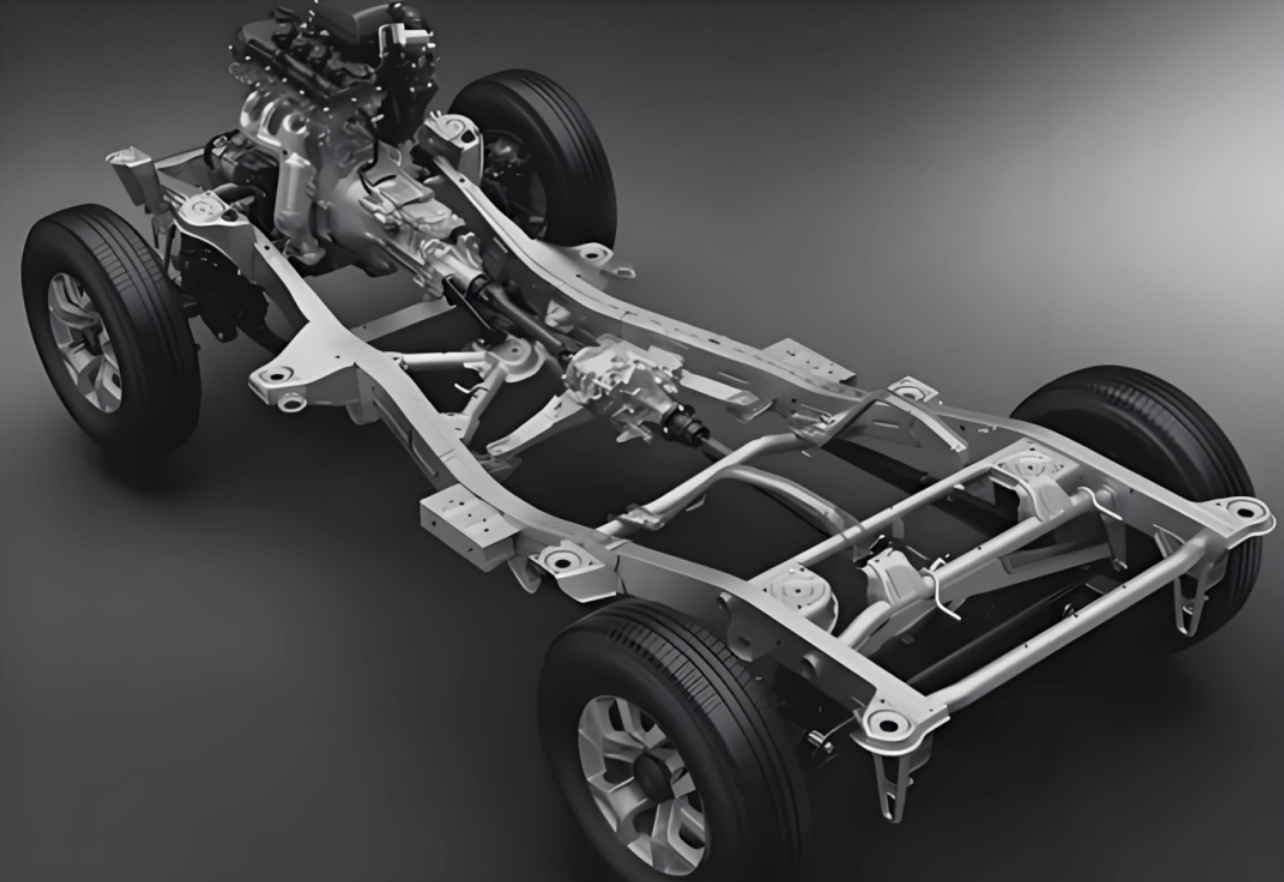
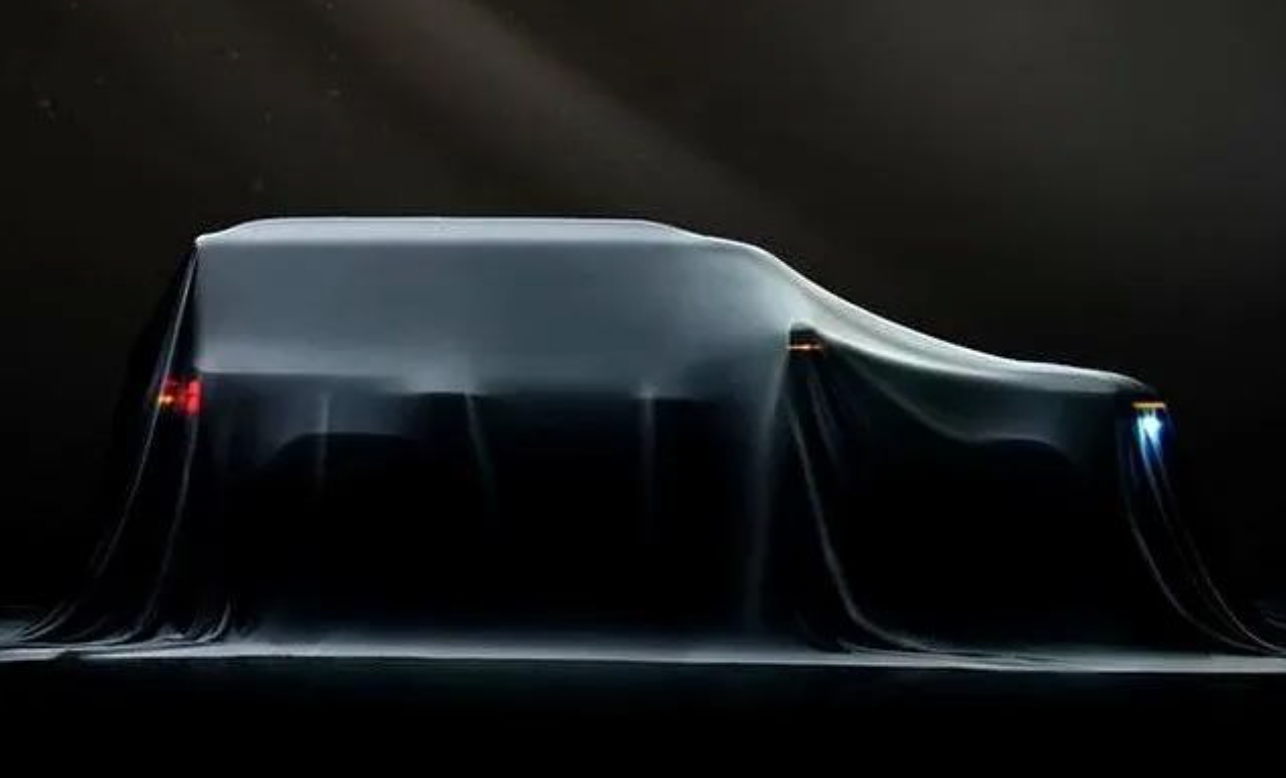
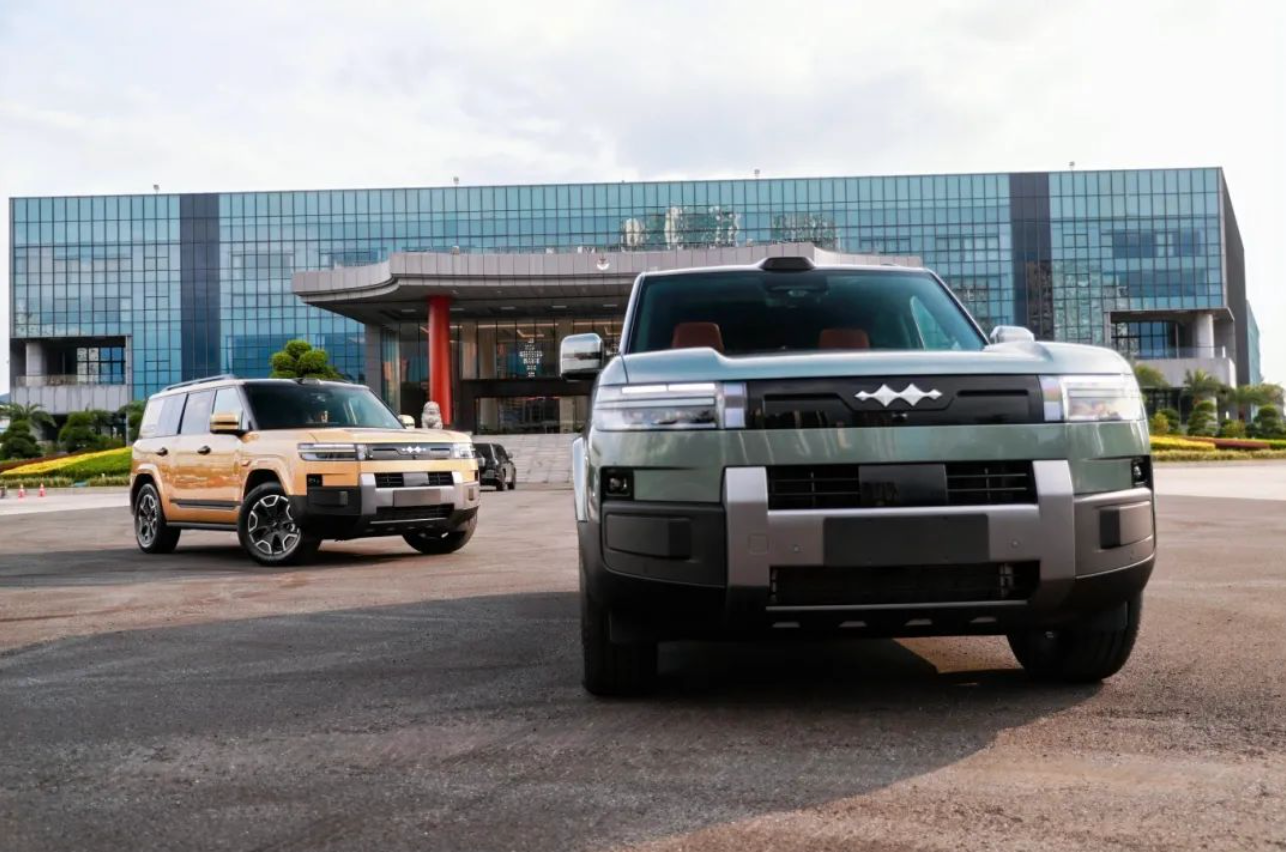
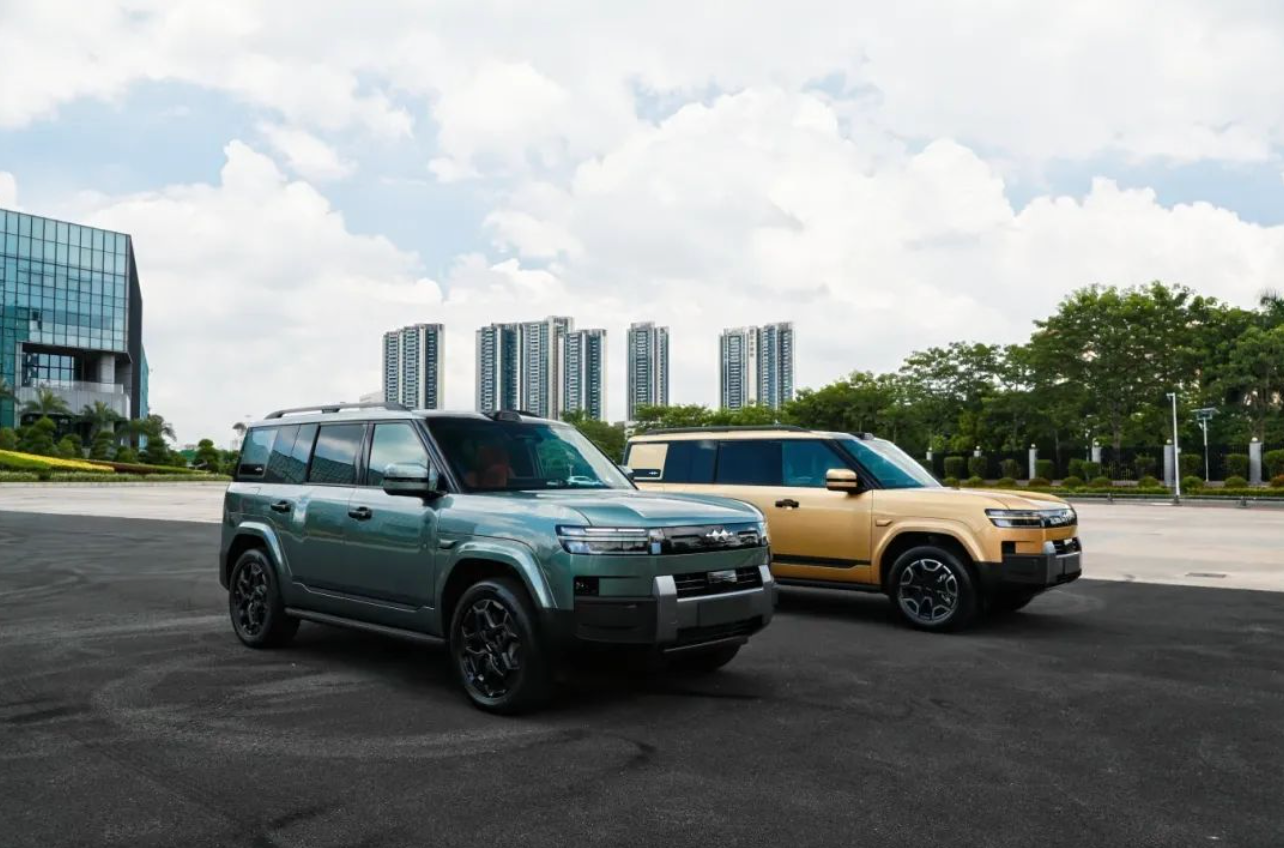
In recent years, with the influx of more domestic brands, tough SUVs have become the new favorites in the Chinese automotive market. Coupled with the push towards electrification, there is a latent demand among consumers that is increasingly being stimulated. During this process, changes are subtly occurring, such as the gradual disappearance of the traditional 'ladder frame'. Generally speaking, the structure of tough SUVs can be categorized into two types: those with a ladder frame (non-body-on-frame) and those without (unibody). The former features a trapezoidal frame that supports the vehicle's weight, allowing the body to act merely as a shell attached to the chassis. Even without it, the vehicle can still operate. In contrast, the latter lacks this frame, with the body itself serving as the 'support', integrating the powertrain and suspension components into a cohesive unit. This characteristic leads many to view non-body-on-frame SUVs as more durable and robust, better suited for heavy-duty off-road scenarios. However, this comes at the cost of lower space efficiency, poor fuel economy, and subpar handling. Rationally speaking, a significant portion of the current tough SUV buyers simply desires the appealing aesthetic of the 'boxy' design. Most of the time, their usage involves commuting in urban areas or occasional family outings, with little to no need for extreme off-roading. For these consumers, having a four-wheel drive is sufficient, and high aesthetics, rich features, and comfortable driving experience are the key factors for their purchase decisions. For them, the presence or absence of a 'ladder frame' is insignificant. Observing this trend, it is clear that car manufacturers should strive to meet consumer desires. Fortunately, there has been a notable increase in products catering to this market segment. Recently, a strong competitor has emerged in this segment - the Fangcheng Leopard Ti7. This brand, part of BYD's personalized new energy division, has already established a solid foothold in the Chinese market with the launch of models like the Leopard B5, Leopard B8, and Leopard Ti3, achieving sales of over 18,000 units in June alone. There is no doubt that these impressive numbers reflect a growing presence in the tough SUV market. Last week, I visited the Fangcheng Leopard headquarters in Shenzhen to see the Ti7 prototype. Its appearance is undeniably striking, standing out among current boxy designs with a refreshing and clean aesthetic. The interior, while maintaining a sense of refinement and luxury, is also designed for practicality. Thanks to the absence of a ladder frame and a nearly 5-meter body length, both lateral and longitudinal space are generous, maximizing usability for family purposes. The rear seats can fold down, creating a completely flat and spacious loading area. As for the powertrain, it is expected to feature a plug-in hybrid system, with pure electric versions not currently planned. The smart features included are competitive with industry standards. Overall, the Fangcheng Leopard Ti7 shows a significant commitment to quality, with an expected price range of 250,000 to 320,000 yuan. This model aims to complement the Leopard B5, offering an option for both casual consumers seeking a boxy aesthetic and serious off-road enthusiasts. The positioning is quite reasonable, especially considering its competitors like the Haval Big Dog and Jietu Traveler. If the pricing strategy is competitive upon launch, the Ti7 could have strong sales potential. The arrival of the Ti7 is also a crucial asset for the Fangcheng Leopard brand as it strives to solidify its position in the market. Although the brand has achieved some success, there is still a gap to close to meet its ambitious goals. For instance, in June, the Leopard B5 and B8 sold 4,875 and 2,011 units respectively, which could be considered underwhelming. The Ti3, however, achieved an impressive 12,017 units, proving its foundational importance. From the brand's perspective, the Ti7 is seen as a necessary support to ensure steady growth, with a target of maintaining monthly sales exceeding 10,000 units. It is also essential to understand why Fangcheng Leopard is expanding its 'Ti' series rapidly. On one hand, they are responding to the urgent demands of potential customers, while on the other, they recognize that the 'Ti' series must take on the bulk of sales responsibilities to allow the 'Leopard' series to focus on more rugged, body-on-frame SUVs. In conclusion, this strategic shift allows Fangcheng Leopard to better cater to both marketing and user experience needs. The immediate task is to leverage all available resources to successfully position the Ti7 as a market hit. Therefore, the expected price range of 250,000 to 320,000 yuan may see adjustments in the future, targeting the gap between the Ti3 and B5.
The Arrival of the Fangcheng Leopard Ti7: A New Contender in China's Tough SUV Market
Images
Share this post on: